Introduction
Choosing the perfect venue for your next event is a critical step that can significantly impact its success. Whether you’re planning a corporate meeting, a wedding, or a community gathering, the venue sets the tone and provides the essential backdrop for your occasion. This article will explore five key factors to consider when selecting a venue: location and accessibility, capacity and layout, ambiance and aesthetic, amenities and services, and budget and pricing. By understanding these elements, you can make an informed decision that meets your needs and enhances the overall experience for your guests.
Location and Accessibility
Importance of a Central Location
The location of your venue plays a crucial role in determining who can attend your event. A centrally located venue is often more appealing, as it is generally more convenient for guests. Consider proximity to major roads, public transport links, and the overall safety of the area. A venue in a bustling district can attract more attendees due to its ease of access and visibility. Additionally, ensure that the venue is situated close to accommodations for out-of-town guests, making their stay more comfortable.
Transportation Options for Guests
Accessibility involves not only the venue’s location but also the transportation options available. Analyze the public transport systems in the area, including bus, train, or subway lines. Provide information about parking facilities and any potential costs associated with parking. If you’re hosting a large event, consider arranging shuttle services from major transit hubs to the venue. Offering clear directions and transportation details can significantly enhance your guests’ experience and ensure more people can attend your event.
Capacity and Layout
Understanding Your Guest List
Before selecting a venue, it is essential to create a comprehensive guest list. Understanding the expected number of attendees will help you determine the appropriate venue capacity. Venues typically have a maximum capacity that should not be exceeded for safety and comfort reasons. Ensure that the venue can accommodate your guests without feeling overcrowded or empty. A space that is too large can lead to a disjointed atmosphere, while one that is too small can be uncomfortable.
Flexible Layouts for Different Event Types
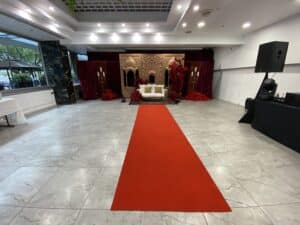
Another factor to consider is the layout of the venue. Different types of events will require various setups, such as banquet seating for weddings, theater-style seating for presentations, or open spaces for networking events. Look for venues that offer flexibility in their layouts, allowing you to customize the space according to your event’s specific needs. Understanding how the space can be arranged will help you visualize the guest experience and ensure that the venue aligns with your event’s objectives.
Ambiance and Aesthetic
The Impact of Venue Decor
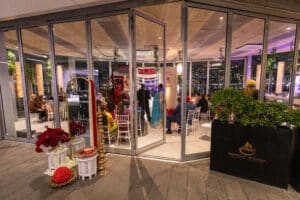
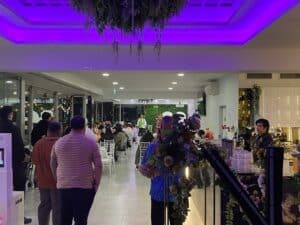
The ambiance of your venue can profoundly influence the atmosphere of your event. An aesthetically pleasing environment can enhance the experience for your guests, setting the right tone for the occasion. Consider the existing decor, color schemes, and overall vibe of the space. A venue that reflects your event’s theme can save you time and money on additional decorations. Additionally, the venue’s lighting can affect the mood; ensure there are options for customizing lighting to suit your event’s needs.
Why a Waterfront Venue Is the Ultimate Choice for Your Next Melbourne Event
Choosing a waterfront venue in Melbourne offers a unique and picturesque setting that can elevate your event. With stunning views of the water and surrounding landscapes, these venues can provide a relaxed and inviting atmosphere. Not only do they offer natural beauty, but many waterfront venues also feature outdoor spaces that can be utilized for ceremonies, cocktail hours, or networking sessions, further enhancing the experience. The combination of breathtaking scenery and a sophisticated ambiance makes waterfront venues a popular choice for events of all kinds.
Amenities and Services
Catering Options Available
Catering is a vital aspect of any event, and the venue typically plays a role in this. Some venues may have in-house catering services, while others allow you to bring in external caterers. It’s important to understand the options available when selecting a venue. Inquire about menu customization, dietary restrictions, and whether tasting sessions are offered. A venue that provides a range of catering options will help ensure that all guests have a satisfying dining experience.
Audio-Visual Equipment and Support
In today’s digital age, having reliable audio-visual equipment is essential for many events. Whether you need microphones, projectors, or sound systems, it’s crucial to confirm what the venue provides. Assess the quality of the equipment and whether there is technical support available on-site. A venue that offers comprehensive AV services can alleviate stress and ensure your presentations and speeches are executed smoothly, contributing to the overall success of your event.
Budget and Pricing
Understanding Venue Costs
Establishing a budget is one of the first steps in planning your event. Venue costs can vary significantly based on factors such as location, capacity, and the services provided. Be sure to consider not only the rental fee but also additional costs such as deposits, insurance, and any stipulations tied to the use of the space. Understanding the complete financial picture will help you avoid unexpected expenses and ensure that you stay within your budget.
Negotiating Packages and Discounts
Many venues offer packages that can provide significant savings, especially when multiple services are bundled together. Don’t hesitate to negotiate with venue managers for discounts or special rates, particularly if you’re booking during off-peak times or are hosting a large event. Always ask if there are any promotional offers or loyal customer discounts available. A well-negotiated package can maximize your budget and contribute to an overall successful event planning experience.
Conclusion
In summary, selecting the right venue for your event involves careful consideration of several key factors, including location and accessibility, capacity and layout, ambiance and aesthetic, amenities and services, and budget and pricing. By taking the time to evaluate each of these elements, you can choose a venue that not only meets your logistical needs but also enhances the experience for your guests.
FAQs
1. How do I determine the best location for my event?
Consider the centrality of the location, accessibility via public transport, and the availability of parking. Analyze the demographics of your attendees to select a location that is convenient for the majority.
2. What is the ideal capacity for my event venue?
The ideal capacity should comfortably accommodate your guest list while allowing space for movement. It’s best to aim for venues that provide flexibility in layout to adapt to different attendance numbers.
3. How can I enhance the ambiance of my venue?
Choose a venue with appealing decor that aligns with your event theme. Additionally, consider lighting options and unique features, such as views or outdoor spaces, that contribute to a memorable atmosphere.
4. Are catering options always provided by the venue?
Not all venues provide catering services. Some may have in-house options, while others allow external caterers. Always clarify these details with the venue when making your selection.
5. How can I save on venue costs?
To save on venue costs, consider booking during off-peak times, negotiating package deals, or asking about any available discounts. Understanding the complete breakdown of costs can also help identify areas for savings.